

Cape Town is preparing to take center stage once again — not just as a backdrop, but as a living, breathing character in a story that shaped global music and political resistance. The upcoming feature The Road Home is set to begin filming in South Africa’s cinematic jewel, bringing together an arresting cast to re-examine one of the most complex cultural flashpoints of the late 20th century.
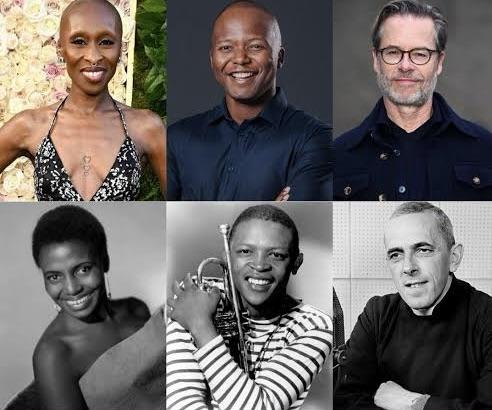
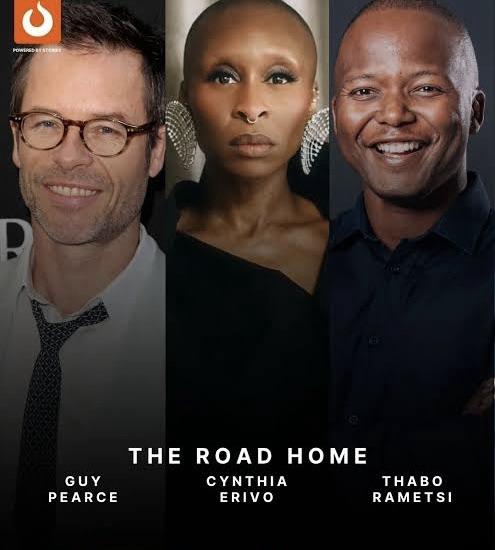
At the heart of the production is Cynthia Erivo, who steps into the formidable role of Miriam Makeba — “Mama Africa” herself. Known for her electric stage presence and unwavering political voice, Makeba’s life transcended music, threading through exile, activism, and global diplomacy. Erivo, with her rare ability to inhabit both voice and spirit, is expected to deliver a portrayal that is as emotionally charged as it is historically grounded.
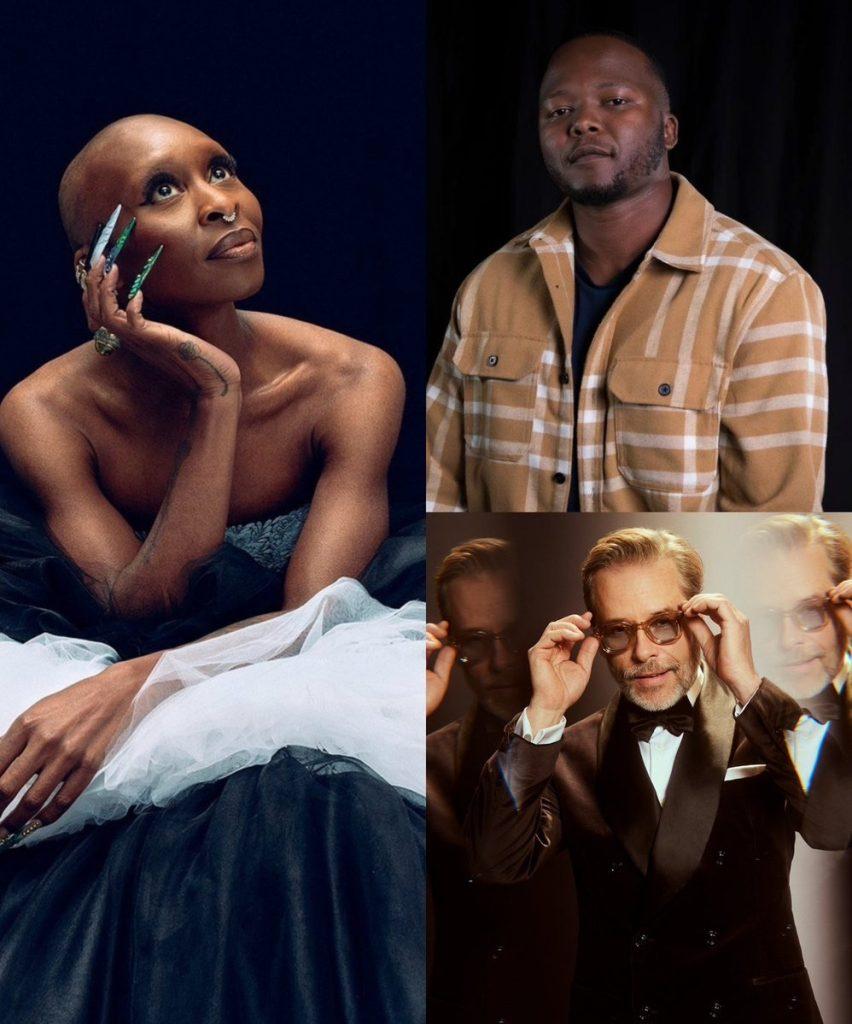
Opposite her, South African actor Thabo Rametsi takes on the role of Hugh Masekela — jazz pioneer, cultural diplomat, and Makeba’s former husband. Rametsi, celebrated for his layered performances in politically resonant films, brings a generational authenticity to Masekela’s story: a man whose trumpet became both refuge and resistance.
Adding further gravitas is Guy Pearce, cast as Trevor Huddleston, the outspoken archbishop whose activism reverberated far beyond South Africa’s borders. Pearce’s involvement signals the film’s ambition to capture not only personal histories but also the international networks that fueled the anti-apartheid struggle.
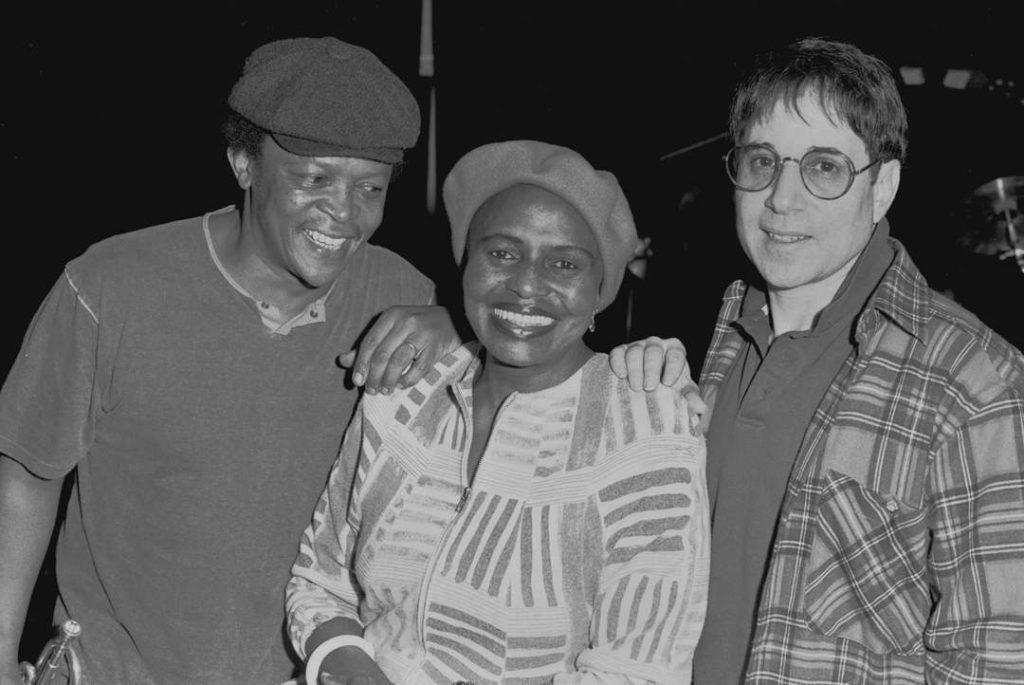
But The Road Home refuses the simplicity of a traditional biopic. Instead, it situates Makeba and Masekela within a broader cultural and political storm — most notably their association with Paul Simon during the creation of the landmark Graceland album.
That collaboration remains one of the most debated artistic decisions of the apartheid era. At the time, the global Anti-Apartheid Movement had enforced a cultural boycott against South Africa, making Simon’s decision to record with South African musicians deeply controversial. Critics argued it undermined international solidarity. Yet for Makeba and Masekela, the calculus was different: music was not compliance — it was confrontation. By participating, they believed they were amplifying South African voices on a global stage that had long ignored them.
The Road Home leans into this tension, exploring not just what happened, but why it mattered — and why it still does. It’s a story of love and estrangement, artistry and ideology, exile and return. More crucially, it interrogates the role of art under oppression: when does it resist, and when does it risk complicity?
With Cape Town’s textured landscapes doubling as both memory and metaphor, the film promises a visual and emotional richness that mirrors the lives it portrays. For ALISTER’S VOGUE readers, this is more than a film to watch — it’s a cultural moment in the making, one that revisits a past still echoing in today’s global conversations about art, activism, and identity.