
The countdown to the Met Gala 2026 has begun, and if early signals are anything to go by, this year’s edition is poised to be one of the most culturally defining in recent memory. Set against the grandeur of the Metropolitan Museum of Art on the first Monday of May, the gala once again promises to merge spectacle, art, and power under one glittering roof.
This year’s co-chairs reflect a deliberate fusion of fashion, entertainment, and legacy. Leading the evening are Beyoncé, Nicole Kidman, and Venus Williams, alongside the ever-present architect of the gala, Anna Wintour. ()
Together, they represent a cross-section of global influence: Beyoncé’s cultural dominance, Kidman’s cinematic elegance, and Williams’ athletic iconography. Wintour, of course, remains the immovable force behind it all—curating not just a guest list, but a cultural moment.
Returning co-chairs like Kidman bring institutional memory, having previously presided over the gala, while Williams steps into a role that signals the continued expansion of fashion into sports and global storytelling.
All eyes, however, are firmly fixed on Beyoncé. Her return is more than symbolic—it marks a renewed era. Notably, this will be her first Met Gala appearance in years, amplifying anticipation across fashion and pop culture. ()
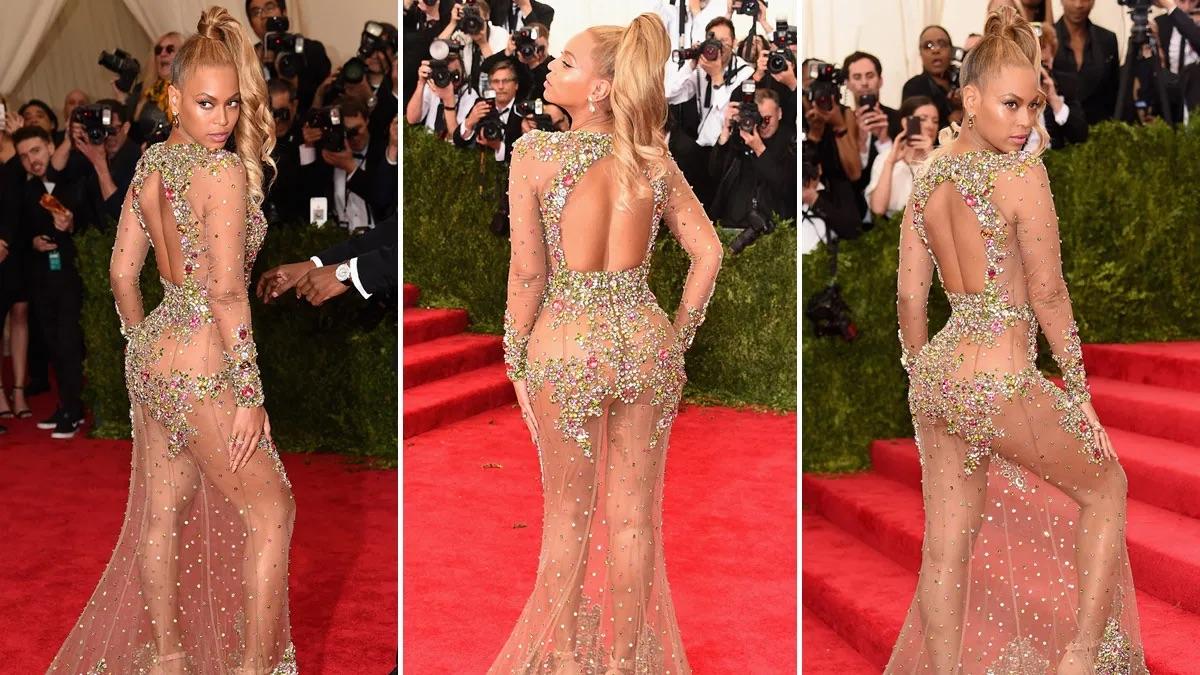
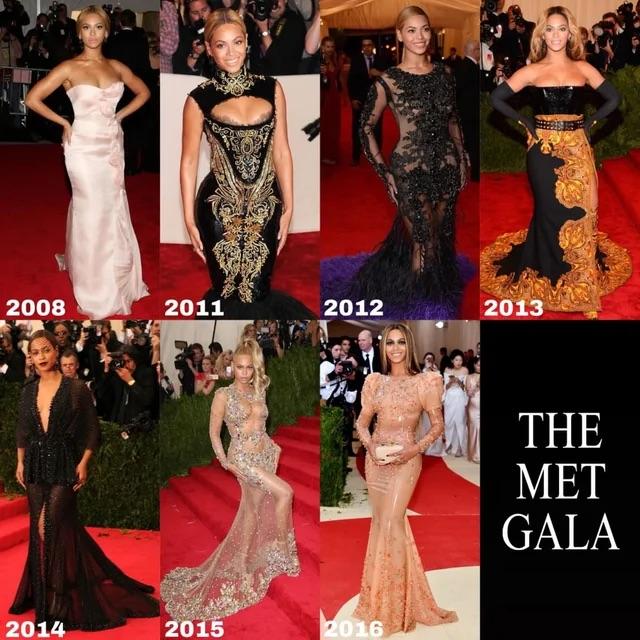
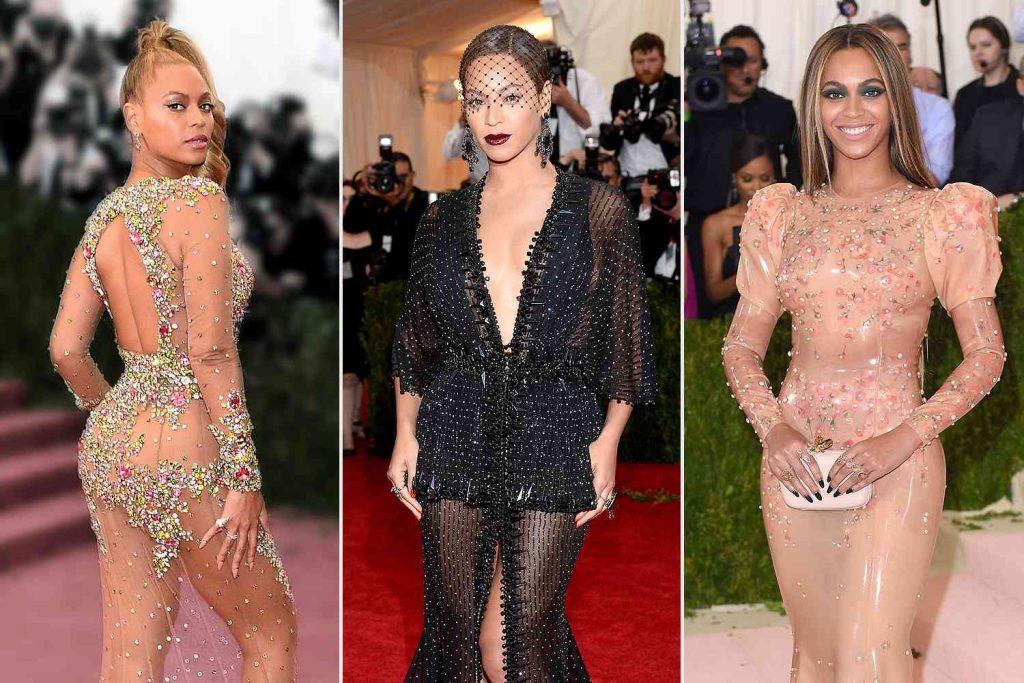
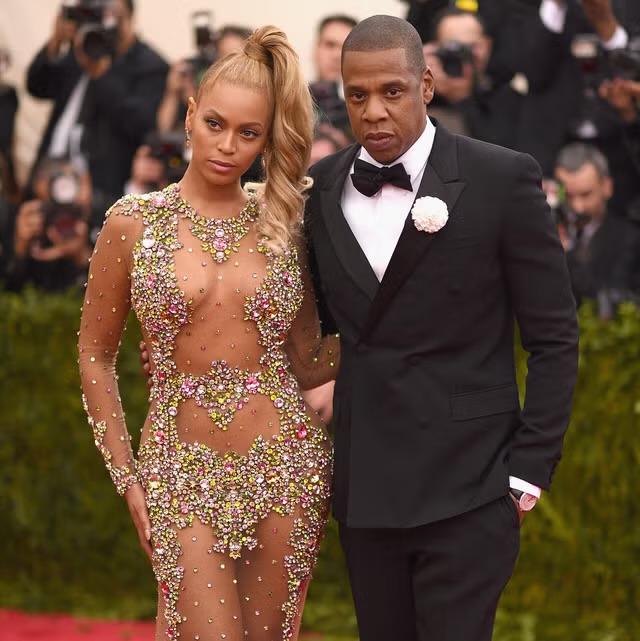
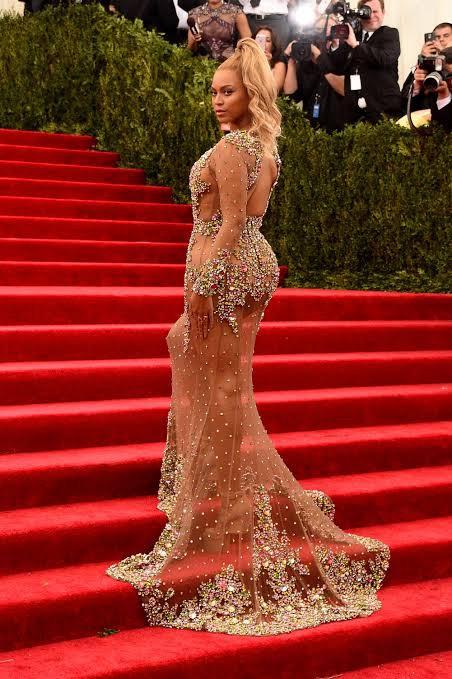
Her past Met Gala appearances have been equal parts commanding and enigmatic. From her latex Givenchy moment to the sheer, jewel-encrusted spectacle of 2015, Beyoncé has consistently treated the Met steps as a stage rather than a carpet. Yet, critiques have lingered about her adherence to themes—making this year’s “Costume Art” concept a compelling opportunity for reinvention.
Now, as co-chair, the expectation is different. She is no longer just attending—she is shaping the narrative.
The 2026 theme, “Costume Art,” accompanied by the dress code “Fashion is Art,” elevates the conversation beyond clothing into the realm of embodiment. The exhibition will reportedly pair garments with artworks, positioning fashion as a historical and sculptural force. ()
Expect silhouettes that defy anatomy, textiles that mimic brushstrokes, and couture that blurs the boundary between gallery and body. Designers are likely to lean into exaggerated forms, archival references, and conceptual storytelling.
The guest list is already shaping up to be a study in contrasts—legacy meets next-generation influence.
Confirmed and anticipated attendees include Angela Bassett, Ayo Edebiri, Emily Blunt, Janelle Monáe, Hunter Schafer, Troye Sivan, and Dwayne Johnson among others. ()
Fashion mainstays like Kim Kardashian, Hailey Bieber, and Gigi Hadid are expected to return, continuing their dominance of the Met’s visual narrative. Meanwhile, newer entrants—from Gen Z actors to digital-era tastemakers—signal the gala’s ongoing evolution into a multi-industry convergence.
The so-called “Beyoncé effect” is already being cited as a magnet for an even denser constellation of A-listers this year.
No Met Gala conversation is complete without Anna Wintour. Since 1995, she has overseen every detail—from the seating chart to the guest list—transforming the event into fashion’s most exclusive stage.
Wintour’s influence extends beyond logistics; she dictates cultural relevance. Invitations are less about fame and more about narrative alignment. In many ways, the Met Gala is her editorial vision brought to life.
One of the most talked-about absences remains Billy Porter, who revealed he has not been invited back since his iconic 2019 appearance.
Porter’s golden, pharaoh-inspired entrance that year was widely regarded as one of the most theatrical in Met history—so his continued exclusion raises questions.
Possible reasons remain speculative but telling:
- Curatorial direction: The guest list increasingly reflects evolving industry narratives, sometimes sidelining past icons.
- Overexposure vs. exclusivity: The Met thrives on unpredictability; repeat spectacle can dilute impact.
- Industry politics: Alignments with designers, brands, and cultural moments often influence invitations more than public acclaim.
Still, his absence underscores a broader truth: at the Met Gala, relevance is constantly renegotiated.
As May approaches, one thing is certain—the 2026 Met Gala will not simply be an event; it will be a statement. With Beyoncé at the helm, a theme that demands intellectual and artistic rigor, and a guest list bridging generations, this year’s gala promises to redefine the language of fashion itself.
And when the doors close, and the flashes fade, what remains will not just be images—but a cultural timestamp of where fashion, art, and power intersect in 2026.