


In a year already crowded with spectacle, Apex rises above the noise—raw, relentless, and breathtakingly intimate. Anchored by a commanding performance from Charlize Theron, this wilderness survival thriller trades glossy excess for grit, dragging audiences into a hostile landscape where every step could be the last.
Theron plays Dr. Mara Voss, a geologist whose expedition turns catastrophic after a sudden rockfall isolates her deep within an uncharted mountain range. What follows isn’t just a fight for survival—it’s a psychological and physical crucible that strips her down to instinct, endurance, and willpower.
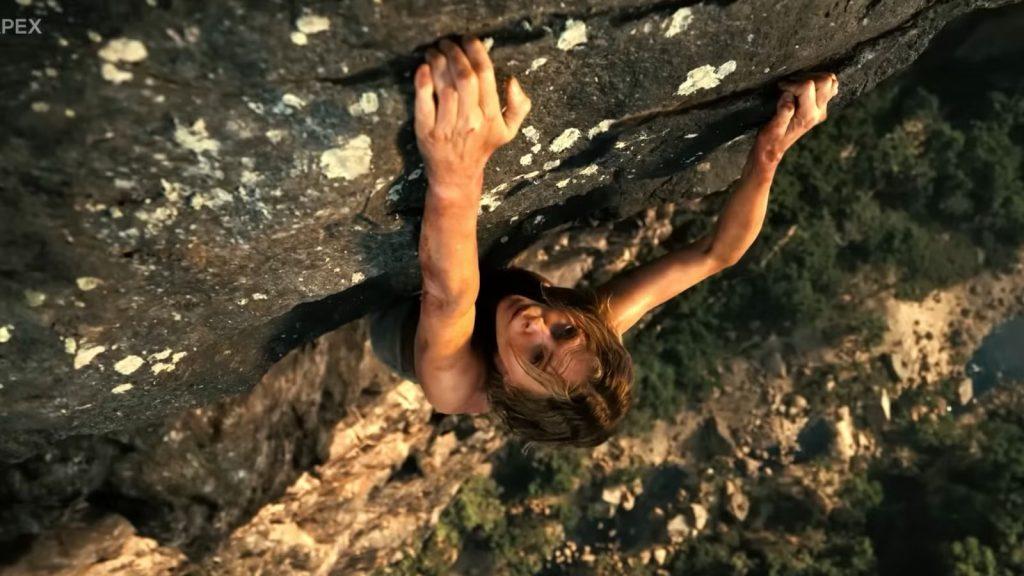
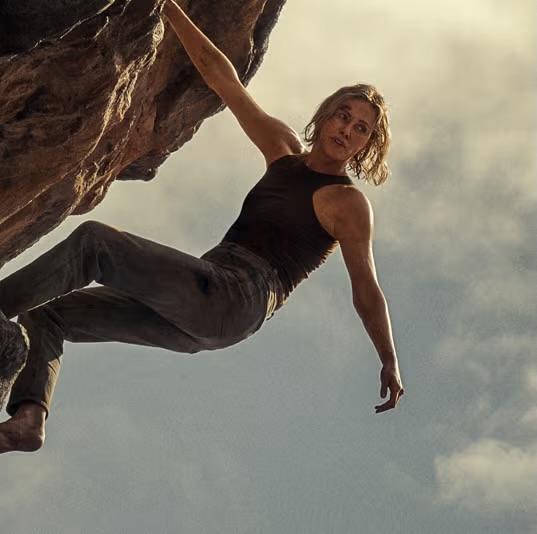
One of the film’s most unforgettable sequences comes early: Mara, with minimal gear and a dislocated shoulder, attempts a near-vertical ascent along a jagged cliff face after her radio is destroyed. The camera stays uncomfortably close—every scrape of skin, every slipping foothold amplified. At one point, she wedges her boot into a narrow crack, only for loose shale to crumble beneath her. The moment hangs in silence before she lunges sideways, catching a sliver of rock with bloodied fingers. It’s not heroic in the traditional sense—it’s desperate, animal, and utterly gripping.
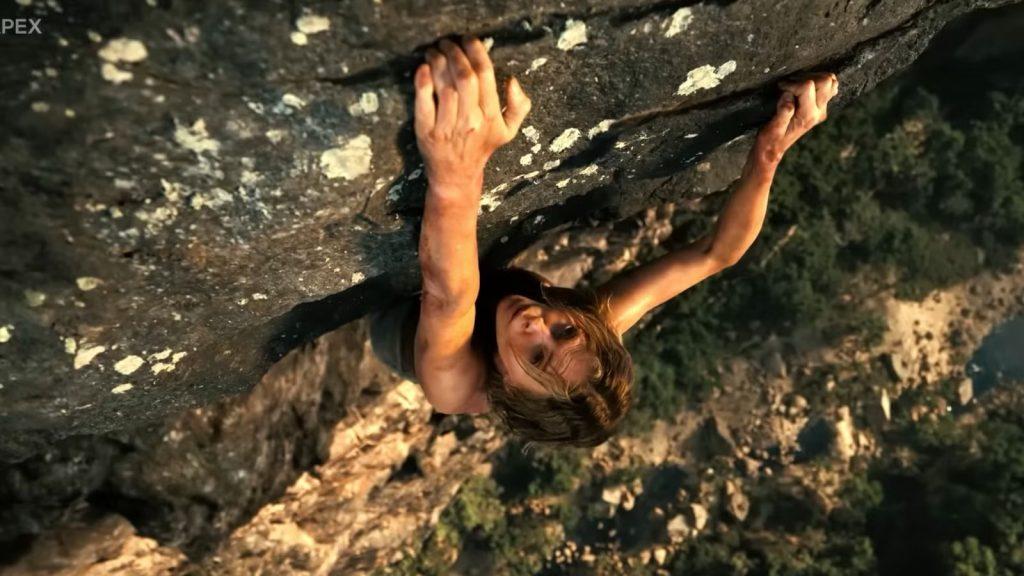
Later, a nighttime climb during a freezing storm raises the stakes even higher. Mara fashions a crude rope from torn fabric and climbing line remnants, securing herself inch by inch while lightning briefly illuminates the abyss below. It’s a masterclass in sustained tension, with Theron conveying exhaustion and razor-thin focus through every movement.
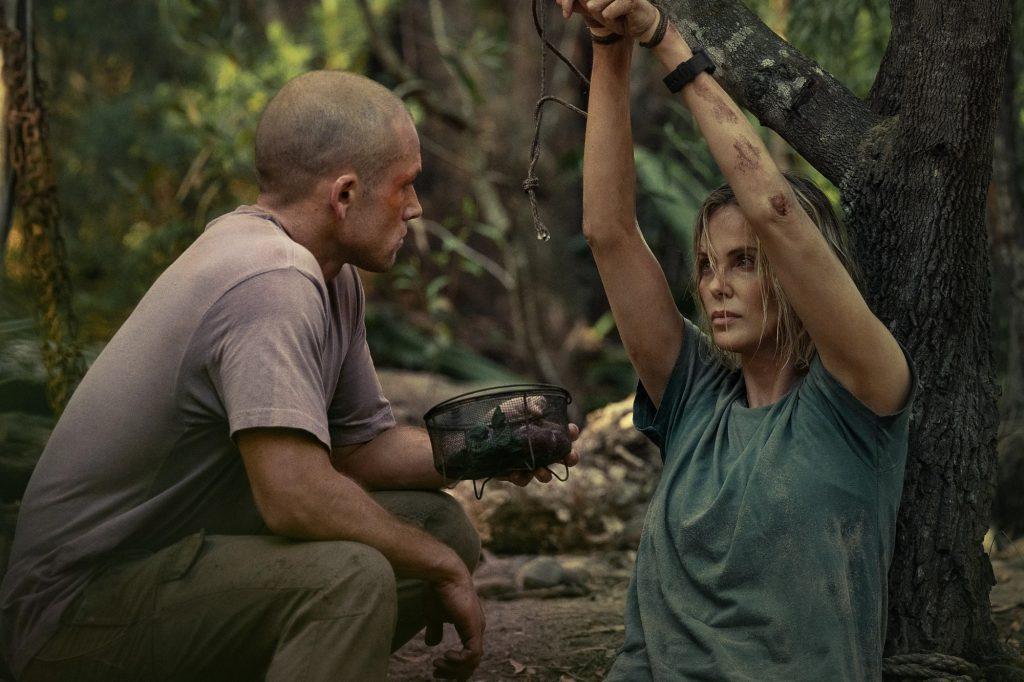
The wilderness in Apex is not just a backdrop—it’s an antagonist. Mara battles dehydration, hypothermia, and predatory wildlife, including a harrowing encounter with a territorial mountain cat. Instead of a conventional showdown, the scene unfolds as a quiet standoff: Mara, barely able to stand, uses a flare not to attack, but to create distance—choosing survival over dominance. It’s a subtle but powerful moment that defines her character.
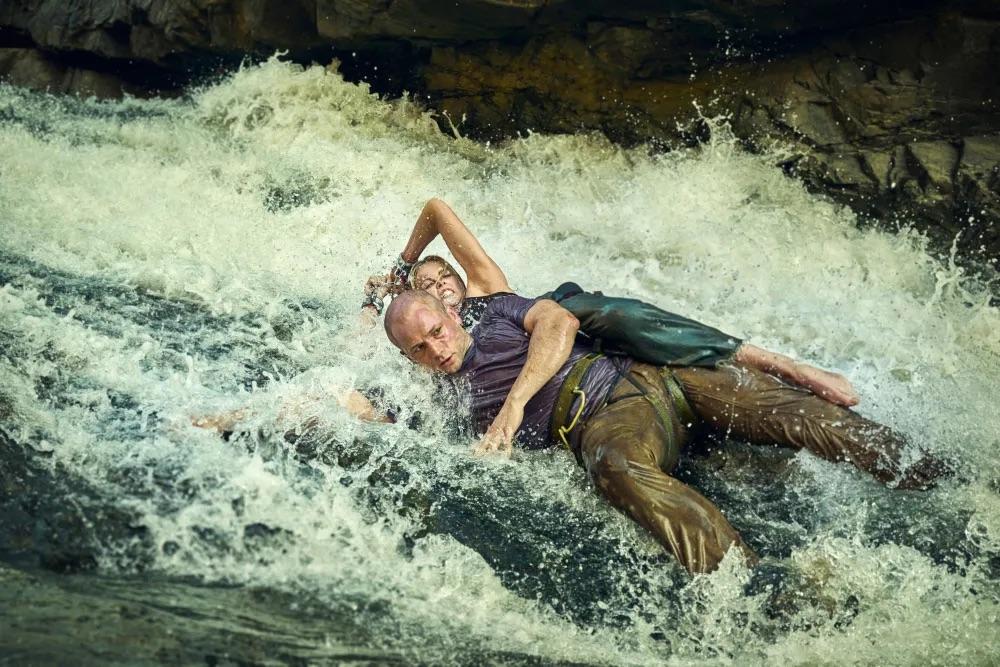
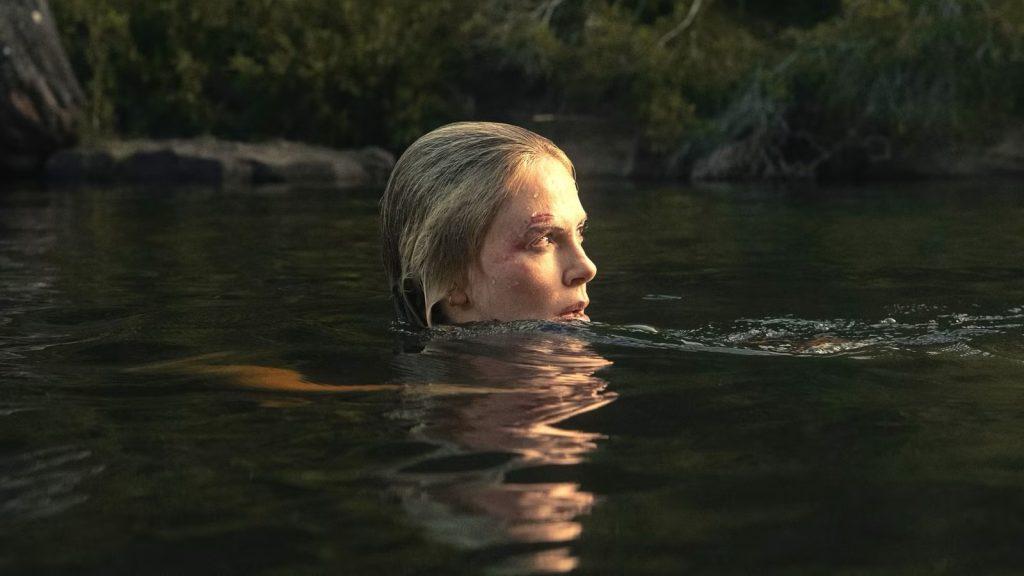
Another standout sequence sees Mara trapped after a flash flood fills a narrow canyon. With rising water and no clear exit, she calculates the flow pattern, dives beneath a submerged rock shelf, and emerges through a tight crevice on the other side—gasping, shaking, but alive. It’s these moments of ingenuity, not brute force, that make her journey so compelling.
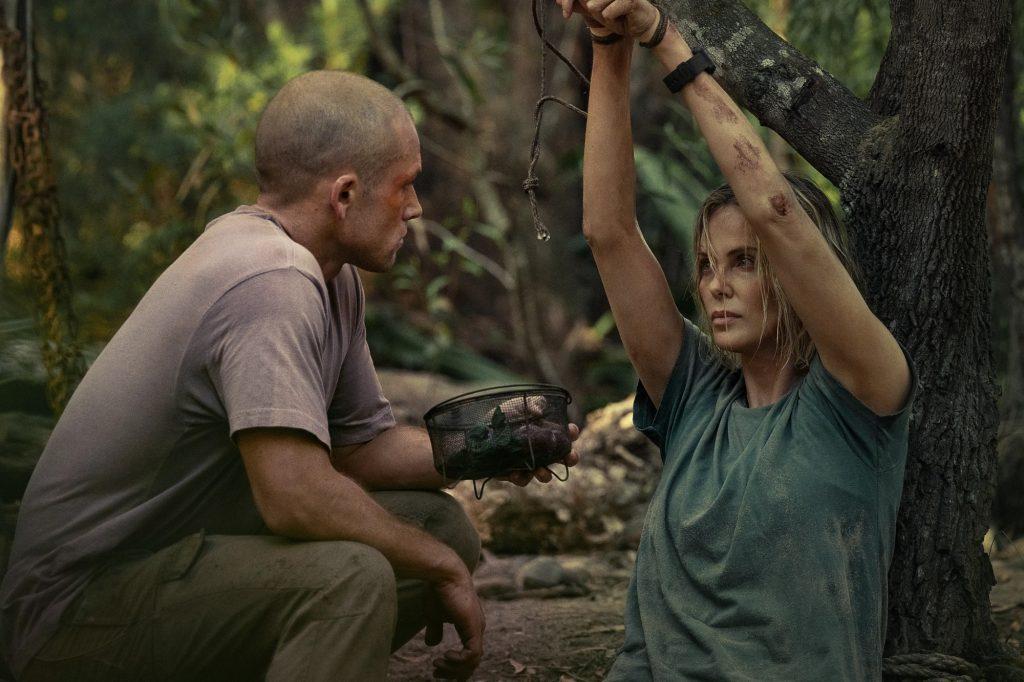
While much of the film is solitary, flashbacks and fragmented radio transmissions introduce us to the people who shaped Mara’s life:
- Eli Turner, her expedition partner whose fate becomes a driving mystery.
- Commander Ruth Calder, the rescue coordinator struggling against time and bureaucracy.
- Jonas Voss, Mara’s estranged brother, whose voice messages add emotional weight to her fight.
These glimpses never feel intrusive—they deepen the stakes, reminding us what Mara is fighting for beyond mere survival.
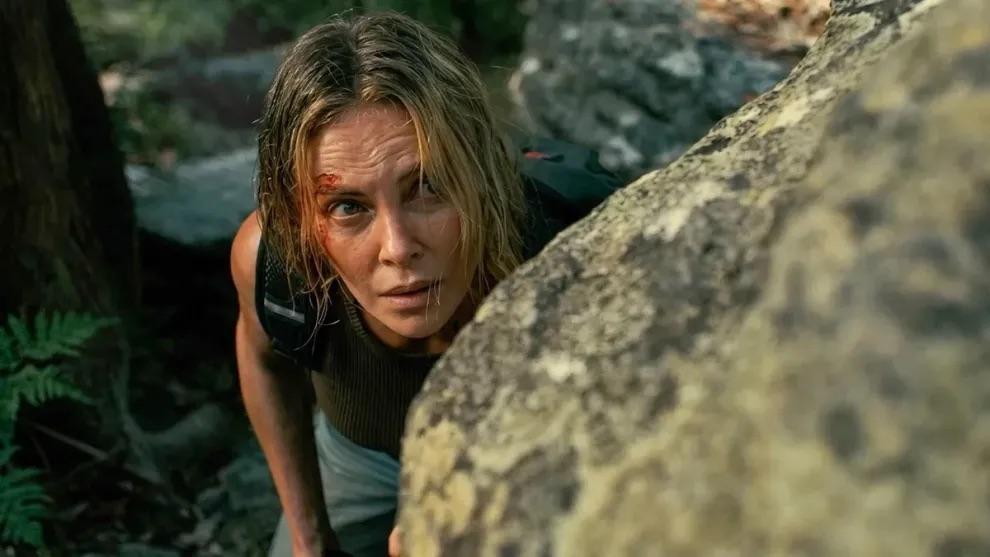
The filmmaking here is nothing short of extraordinary. The decision to shoot extensively on location pays off in every frame. The terrain feels unforgiving because it is. Practical effects dominate, lending authenticity to the physical toll on Theron’s character—cuts, bruises, and all.
Sound design deserves special mention: the howl of wind through narrow passes, the distant rumble of shifting الصخور, and the eerie silence that follows near-death moments all immerse the viewer completely. The score is sparse, used only when necessary, allowing the environment to speak for itself.
Charlize Theron delivers one of the most visceral performances of her career. She doesn’t just portray survival—she embodies it. There’s a moment near the film’s climax, after days without food, where Mara collapses at the edge of a plateau, laughing weakly before breaking into tears. No dialogue, no music—just raw emotion. It’s devastating and triumphant all at once.


Apex isn’t just a survival movie—it’s a study in resilience, intelligence, and the fragile line between life and death. With unforgettable sequences, a fiercely committed lead performance, and meticulous craftsmanship, it stands as one of the most gripping cinematic experiences of the year.
This is not a film you simply watch—it’s one you endure. And it’s all the better for it.