
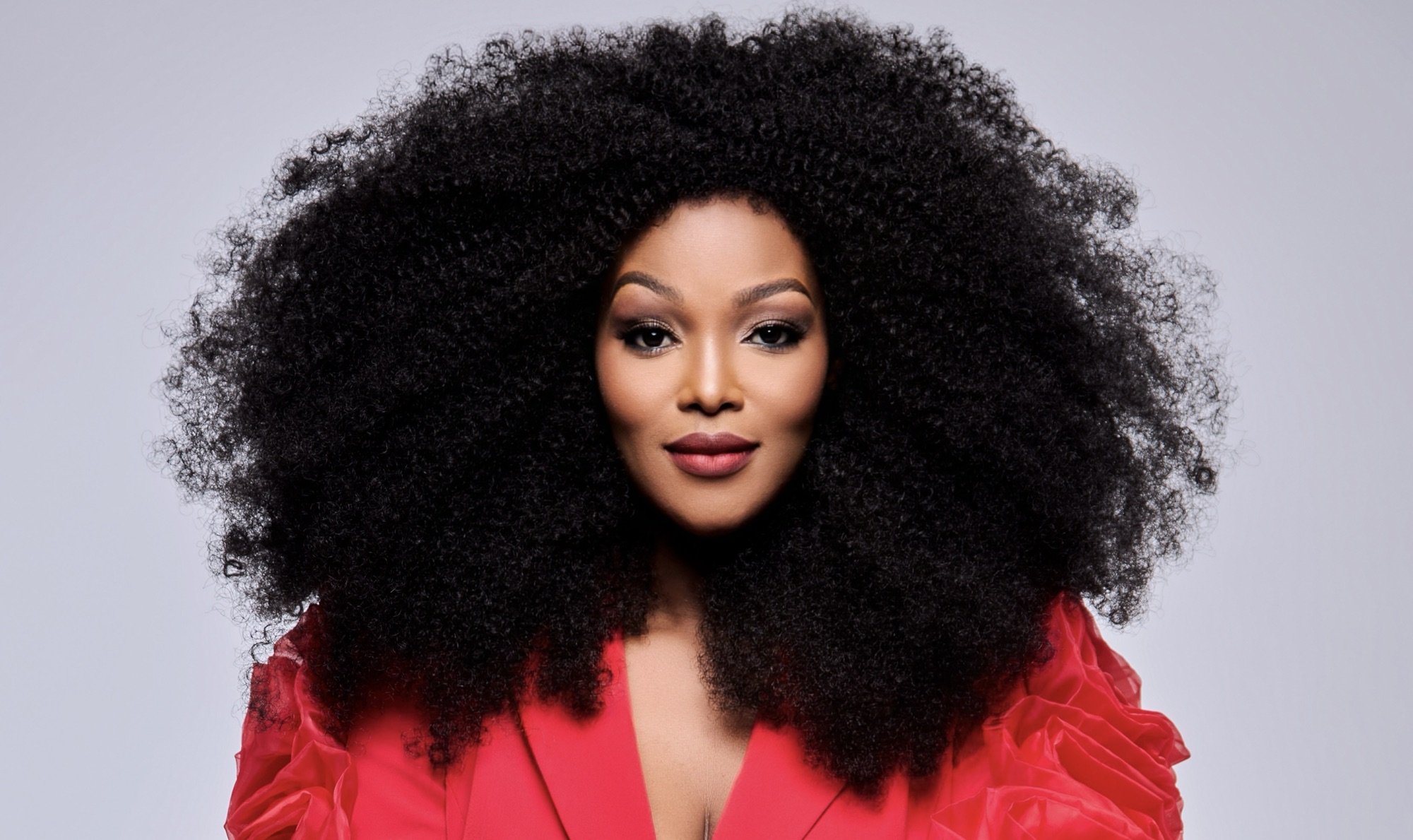

Former Miss South Africa 2010 and Miss World Africa 2011 titleholder Bokang Montjane-Tshabalala now has the South African rights to the Miss World competition.
This means that Montjane-Tshabalala has achieved an extraordinary trifecta, securing the national franchise rights to the world’s three most prestigious beauty competitions: Miss World, Miss Universe and Miss Supranational which places her in a uniquely powerful position in global pageantry.
Montjane-Tshabalala’s company, African Beauty International (ABI), acquired the Miss Universe South Africa licence in 2025, with Montjane-Tshabalala appointed as National Director of Miss Universe South Africa. That same year, she was also appointed National Director of Miss Supranational South Africa. This month, she has added the Miss World South Africa franchise to her portfolio, completing a clean sweep of the Big Three.
“I have walked those stages,” says Montjane-Tshabalala, who competed at both Miss World and Miss Universe. “I have stood under those lights as a competitor, felt what it means to carry the South African flag into those arenas, and I know – deeply and personally – what is at stake when a young woman steps out to represent this country. That lived experience is not something you can manufacture. It is the foundation everything I am building now rests on. South Africa will not just participate in these competitions. South Africa will compete to win.”
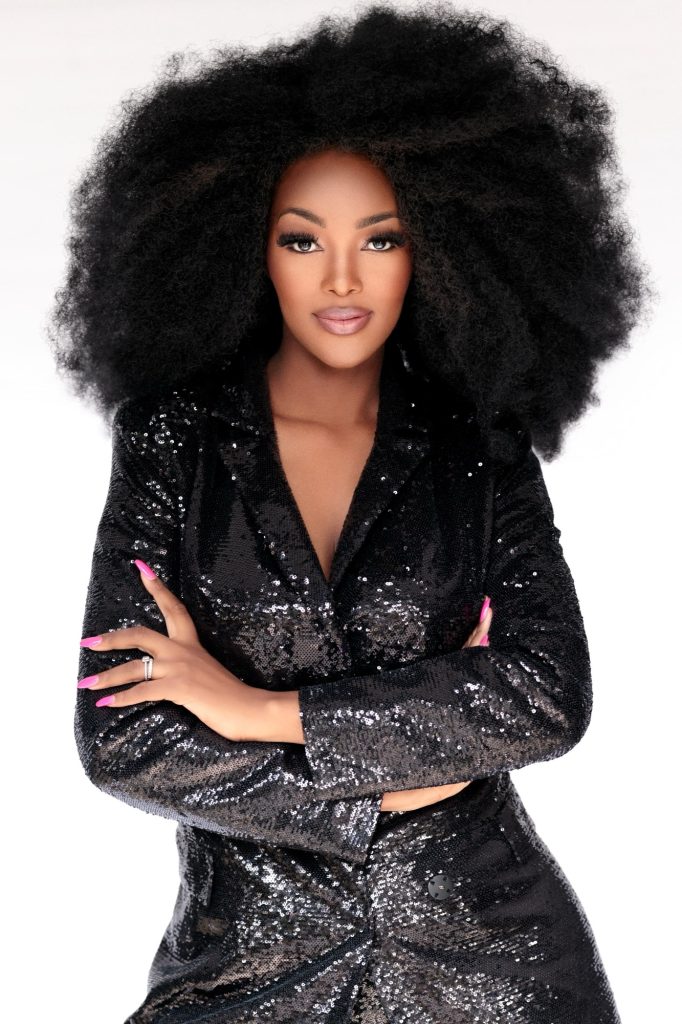
The three competitions span three continents and are scheduled across the remainder of 2026. Miss Supranational 2026 will be staged on July 31 at the Strzelecki Park Amphitheatre in Nowy Sącz, Poland. Miss World 2026 follows on September 5 with Vietnam confirmed as the host country for the 73rd edition of the historic pageant.
The season culminates with Miss Universe 2026, which will mark the competition’s 75th anniversary when it is staged in November at the José Miguel Agrelot Coliseum in San Juan, Puerto Rico – the iconic venue known locally as El Choliseo – before an expected audience of 18,500.
South Africa has an impressive record at all three pageants – the last title holder was four years ago when Lalela Mswane became the first South African and the first Black woman to win the 2022 Miss Supranational crown. Demi-Leigh Nel-Peters (now Tebow) became the second South African to win Miss Universe in 2017 followed two years later by Zozibini Tunzi who, thanks to the Covid pandemic, holds one of the longest reigns (17 months) in the history of the pageant. It is now 12 years since Rolene Strauss became the third South African to win Miss World in 2014.
“South Africa has produced Miss World, Miss Universe and Miss Supranational winners – we know how to win, and we know what winning looks like. Four years is too long. Twelve years is too long. My job is to make sure that the next time the world is looking for its next queen, they are looking at a South African.”
Now, with a single person steering all three national franchises, the hope – and the expectation – is that the country’s efforts will once again become more coordinated, better resourced and more strategically directed than ever before.
“What I bring to the international pageant stage is accountability,” Montjane-Tshabalala explains. “Accountability to South African women who deserve to be prepared at the highest level. Accountability to the global organisations who have entrusted us with these franchises. And accountability to the fans – the millions of South Africans who stay up through the night to watch these competitions, who vote, who rally, who feel genuine pride when our representative walks that stage with confidence and purpose. They deserve to see South Africa treated as a serious contender. That is exactly what we will be.”
The consolidation of all three franchises under one roof is significant beyond the administrative. It means that the search, selection, preparation and presentation of South African candidates will be governed by a unified philosophy – one shaped by someone who has not only competed internationally but who understands the nuances of each organisation’s expectations, judging culture and global brand identity.
“For our fans, this changes everything,” Montjane-Tshabalala adds. “It means continuity. It means a long-term vision rather than a patchwork approach. It means that the woman we send to Poland in July, the woman we send to Vietnam in September, and the woman we send to Puerto Rico in November will all be products of the same commitment to excellence.”
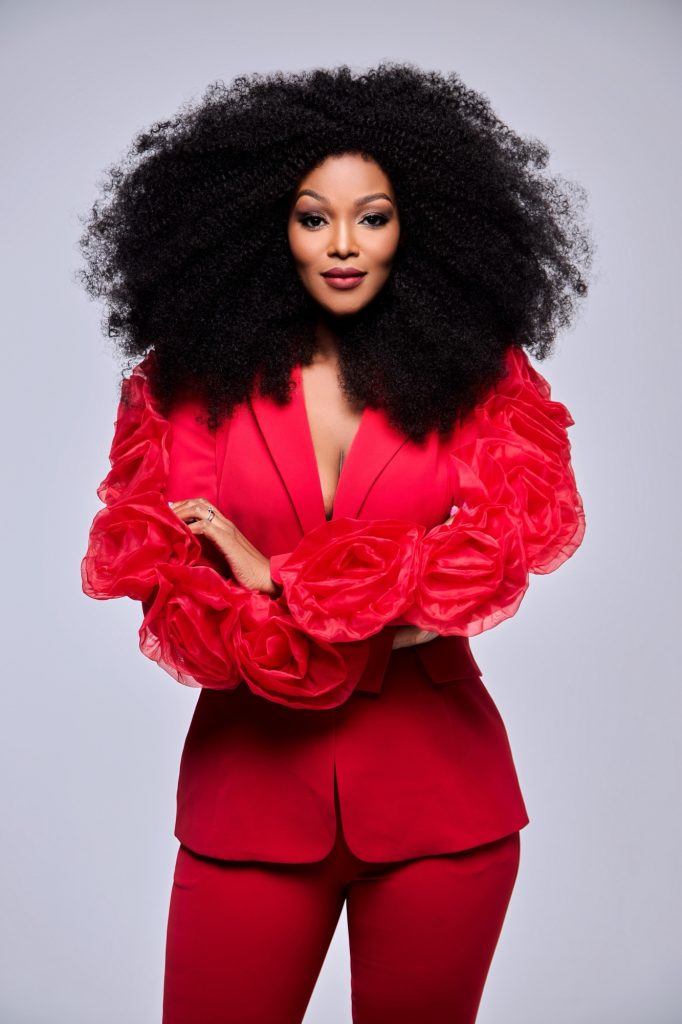
The announcement arrives at a moment of considerable global momentum for all three pageants. Miss World, one of the longest–running pageants in the world, continues to attract contestants from across the globe, with the 2026 edition in Vietnam set to draw entrants from scores of countries. Miss Universe, preparing for its 75th anniversary edition in Puerto Rico, has in recent years expanded its reach, revised its eligibility rules and broadened its definition of what it means to represent a nation. Miss Supranational, meanwhile, has steadily grown its international footprint and recently announced expanded eligibility criteria, now welcoming mothers and divorced women to compete.
For South Africa, the timing could not be more propitious. With Montjane-Tshabalala’s experience, industry relationships and clear personal investment in the country’s pageant future, the country enters all three competitions in 2026 with a coherent and capable leadership structure.
The question now is not whether South Africa will show up on those stages. It is how loudly it will make itself heard.