
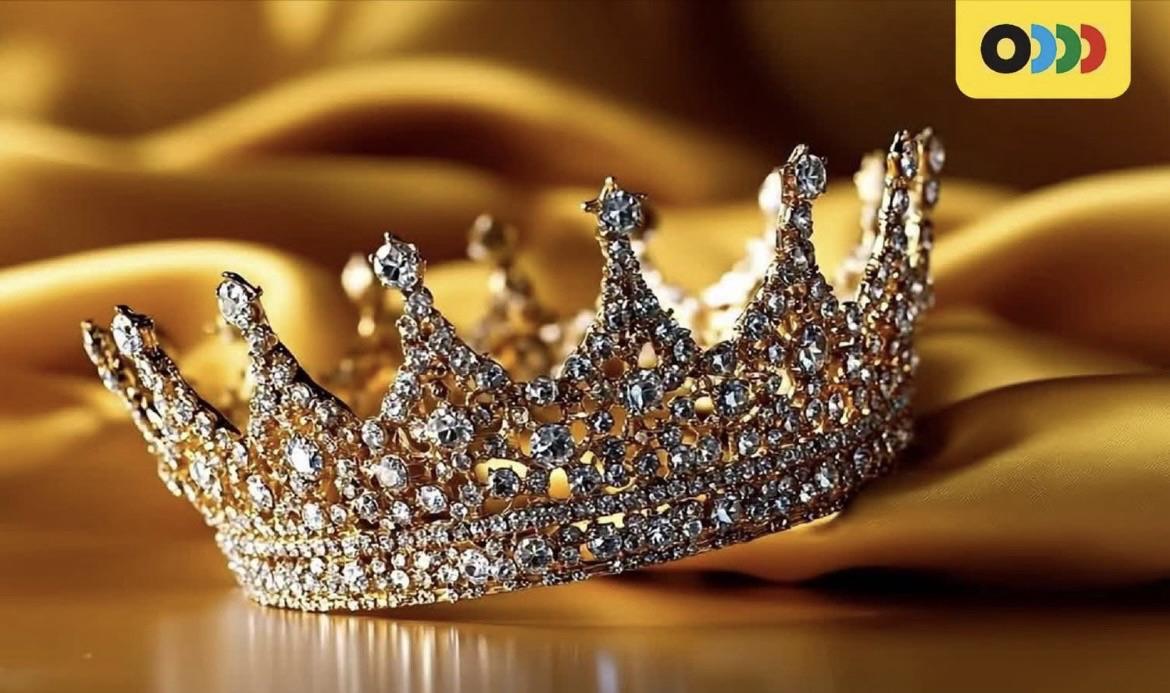

A moment of social media shade, a dash of South African humour, and suddenly one of the country’s biggest retailers finds itself at the centre of an unexpected cultural conversation. When Makro recently promoted a range of products priced under R50 and featured a crown among the discounted items, South Africans did what South Africans do best: they connected the dots, grabbed their phones, and turned the moment into viral commentary.
The timing, many argued, could not have been more loaded.
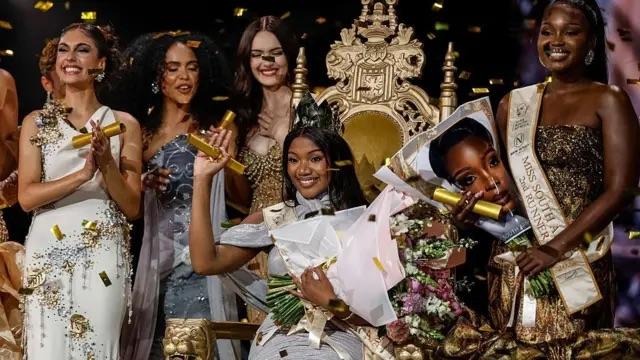
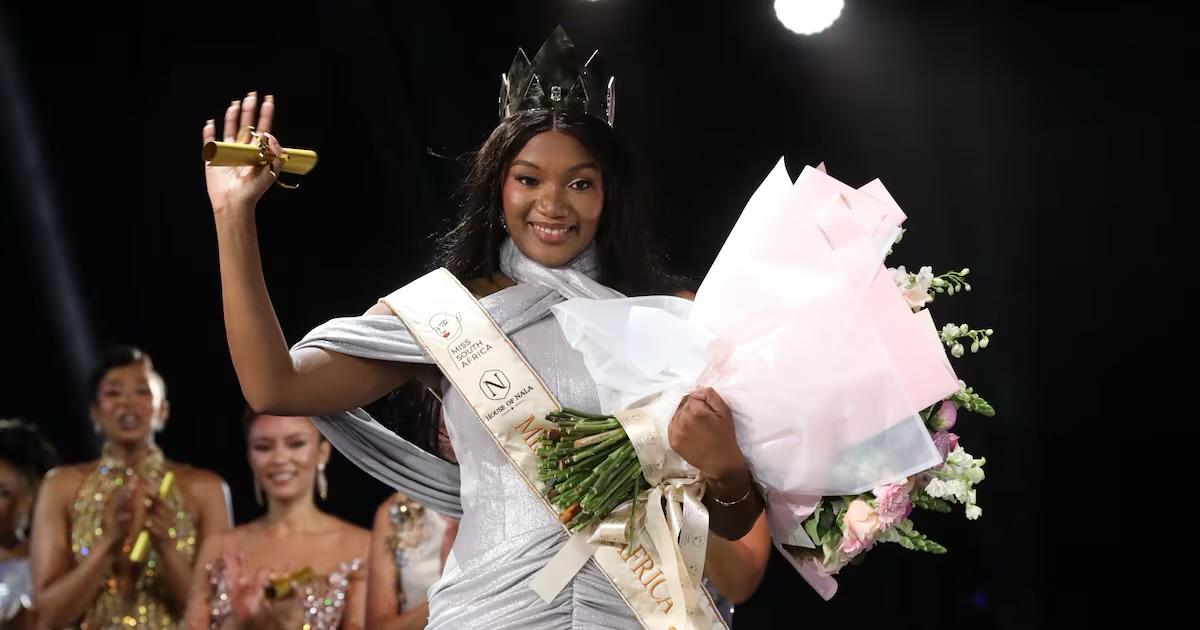
Only weeks after the heated national debate surrounding the newly unveiled Miss South Africa crown, which many social media users controversially claimed bore an uncanny resemblance to the iconic Burger King logo, Makro’s crown promotion landed squarely in the middle of an already sensitive digital landscape. Whether deliberate or purely coincidental, the retailer’s advertisement ignited a fresh wave of memes, jokes, and opinions, with users questioning if the ad was an innocent marketing campaign or an expertly timed piece of corporate trolling.
As screenshots circulated across X, Facebook, TikTok, and Instagram, South Africans reacted with a mixture of disbelief and amusement.
“Yoh, this country will never let anything slide.”
“Haibo, now even crowns are on special.”
“South Africa is undefeated when it comes to content.”
The responses were immediate and relentless.
At the core of the controversy is something that extends beyond retail advertising. It speaks to the unique relationship South Africans have with symbolism, identity, and cultural prestige. A crown is not merely a decorative object. Whether placed atop a beauty queen, a monarch, or represented within luxury branding, a crown carries significant weight. It is a universal symbol of achievement, aspiration, exclusivity, and power.
When the Miss South Africa crown was first introduced, it was intended to represent modern African excellence and contemporary luxury. Instead, a portion of the online public fixated on perceived visual similarities to one of the world’s most recognisable fast-food brands. The conversation quickly moved beyond design criticism and evolved into a wider debate about luxury aesthetics, national representation, and public expectations.
Makro’s seemingly innocent R50 crown special unexpectedly reopened those wounds.
For some consumers, the advertisement appeared to trivialise a symbol that had recently occupied national headlines. Others found the comparison hilarious, viewing it as yet another example of South Africa’s unmatched ability to transform everyday moments into entertainment.
Yet behind the laughter lies a fascinating study of modern consumer culture.
In today’s digital age, brands operate within an environment where context matters as much as content. A simple product image can take on an entirely different meaning depending on what conversations are already dominating public discourse. Marketing no longer exists in isolation. Every advertisement enters an ecosystem of memes, hashtags, trending topics, and public sentiment.
Luxury brands understand this principle exceptionally well.
The world’s most iconic luxury houses, from Cartier and Van Cleef & Arpels to Boucheron and Chaumet, carefully manage the symbolism associated with crowns, royalty, heritage, and prestige. These brands know that consumers do not merely purchase products. They purchase narratives. They invest emotionally in stories that communicate status, aspiration, and exclusivity.
This is precisely why the reaction to both the Miss South Africa crown and Makro’s promotional campaign has captured public imagination.
The conversation is not really about jewellery, retail discounts, or organisational logos.
Rather, it reflects a broader question: what does luxury mean in contemporary South Africa?
Is luxury defined by craftsmanship and exclusivity? Is it determined by public perception? Or has the internet transformed luxury into something that must also survive the scrutiny of meme culture?
For younger consumers especially, authenticity now outweighs prestige. A luxury item’s success is often measured not only by its craftsmanship but by its ability to resonate culturally. The moment an object becomes a meme, its meaning begins to shift. Sometimes that shift strengthens relevance. Other times it undermines it.
What remains undeniable is that South Africans have become some of the world’s most sophisticated cultural commentators. Within hours of Makro’s advertisement appearing online, thousands of users had dissected, analysed, and reinterpreted the campaign in ways that no focus group ever could.
The result is a fascinating collision between retail, beauty, luxury, and internet culture.
Whether Makro intended to spark controversy may never be known. What is certain, however, is that the retailer found itself at the centre of a conversation that stretches far beyond a R50 price tag.
Because in South Africa, a crown is never just a crown.
It is a symbol.
It is a statement.
And if social media has taught brands anything, it is that South Africans are always watching, always commenting, and always ready to say, “Bathong, what is going on here?”
In an era where every advertisement can become a headline and every headline can become a meme, the real crown may belong to the South African public itself. No audience is quicker, sharper, or more brutally entertaining when it comes to holding brands, institutions, and cultural symbols under the microscope.
And that, perhaps, is worth far more than R50.