
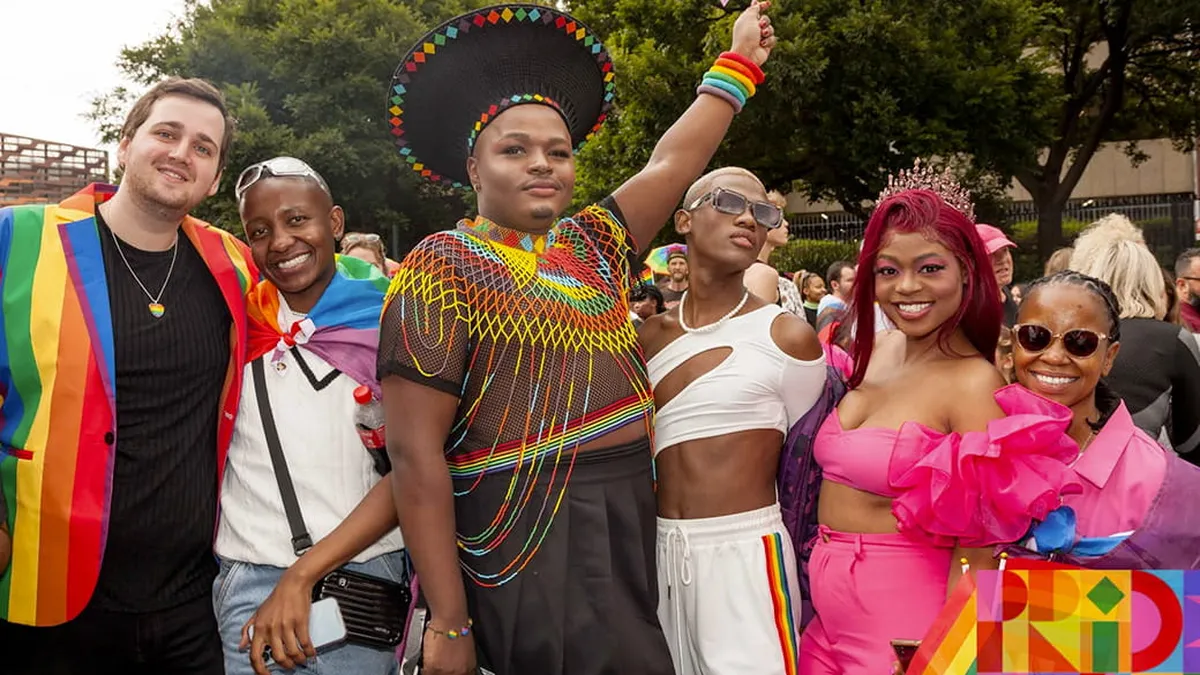
Every year, the streets of Johannesburg come alive with colour, celebration and unapologetic self-expression as thousands gather for Johannesburg Pride. While the vibrant costumes, music and festivities create an atmosphere of joy, Pride is far more than a social gathering. At its heart, it is a powerful reminder of the struggles, victories and ongoing journey of the LGBTQIA+ community toward equality, dignity and acceptance.
For many participants, Johannesburg Pride represents a living testament to how far LGBTQIA+ rights activism has come in South Africa. The country’s Constitution remains one of the most progressive in the world when it comes to protecting sexual orientation and gender identity, providing legal recognition and safeguards that activists fought tirelessly to secure. Yet Pride is also a reminder that legal rights alone do not always translate into lived equality.
Visibility remains one of the most important tools in creating social change. When members of the LGBTQIA+ community proudly occupy public spaces, they challenge stereotypes, confront prejudice and affirm that they deserve the same opportunities, respect and protections as everyone else. Pride creates a platform where people can be seen, heard and celebrated without fear or apology.
This visibility is especially significant in the workplace. Despite growing acceptance, many LGBTQIA+ professionals still struggle with whether they can safely and comfortably be their authentic selves at work. The fear of discrimination, exclusion or stalled career growth remains a reality in many industries. Pride helps shift the conversation by normalising diversity and encouraging organisations to create inclusive environments where all employees can thrive.
Workplace visibility matters because representation changes perceptions. When colleagues, managers and executives openly identify as LGBTQIA+, it helps break down misconceptions and fosters understanding among wider teams. Employees who feel accepted are more likely to contribute confidently, collaborate effectively and bring their full creativity and talent to the workplace. Inclusive workplaces are not only better for individuals; they are stronger, more innovative and more successful organisations.
Corporate participation in Pride has also become increasingly visible across Johannesburg. While company support should always extend beyond a once-a-year celebration, public commitments to diversity and inclusion send an important message. They demonstrate that LGBTQIA+ employees have a place at the table and that equality is not simply a policy statement but a workplace value.
Perhaps one of the most powerful aspects of Pride is its ability to connect generations. Veteran activists who marched during times of greater hostility stand alongside younger people who are discovering their identities in a more accepting world. This intersection of past and present serves as a reminder that every right enjoyed today was earned through perseverance, courage and collective action.
Johannesburg Pride honours those who fought before while inspiring those who will continue the work ahead. The event celebrates progress, but it also highlights the issues that still require attention, including discrimination, violence, mental health challenges and barriers faced by transgender and non-binary individuals.
As crowds march through Johannesburg’s streets draped in rainbow colours, the message extends far beyond celebration. Pride represents resilience. It represents visibility. Most importantly, it represents hope that every person, regardless of sexual orientation or gender identity, can live openly, safely and authentically.
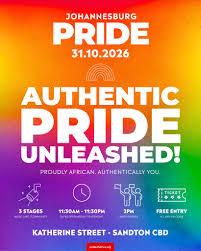
The significance of Johannesburg Pride is not measured by the size of the parade alone. Its true impact lies in what it represents: a powerful assurance that the fight for equal rights has achieved meaningful progress, that visibility continues to drive acceptance, and that the journey toward a more inclusive society is one worth celebrating and protecting.
At a time when authenticity remains a revolutionary act for many, Pride stands as a reminder that visibility is not merely about being seen. It is about being valued, respected and afforded the same opportunities to flourish as every other member of society.